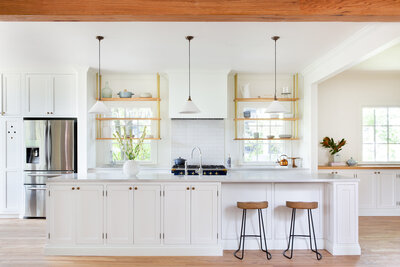

How to Plan Your Interior Design Budget
Planning an interior design project is exciting, but costs can quickly add up when furniture, materials, lighting, décor, and professional services are all part of the plan. A clear budget helps you make confident decisions while keeping the project financially manageable. It also gives you a better understanding of where to invest more and where you can make practical adjustments without affecting the overall design.
The right approach is not simply to set one total amount and start shopping. Instead, divide your budget across different areas, identify your priorities, and keep some money aside for unexpected expenses. This makes it easier to track your spending as the project progresses and helps prevent last-minute financial surprises.
Here’s how to create a practical interior design budget from the beginning.

What Factors Affect Your Interior Design Budget?
The right home interior design budget depends on the size of the property, the number of rooms being designed, the level of customization, and the materials and furnishings you select. A single-room refresh will naturally require a different investment than a complete property design with custom furniture, built-ins, and premium finishes.
Costs can also vary based on whether you’re working with an interior designer from the start, the quality tier of materials you choose, and whether any renovation work is involved.
Before making any purchases, consider the overall scope of the project and set a realistic spending range. The sections below break down exactly what to include and how to divide your budget effectively.
How to Plan and Allocate Your Interior Design Budget
An interior design budget should account for more than furniture and décor. Consider all major design, material, furnishing, installation, and finishing expenses before finalizing your spending plan.
1. Start With a Realistic Total Budget
Begin by deciding how much you are comfortable spending on the entire project. Consider your available savings, planned investments, and any other financial commitments before setting the number.
Your total budget may include:
- Interior design fees
- Furniture
- Flooring
- Wall treatments
- Lighting
- Window treatments
- Custom cabinetry
- Kitchen and bathroom finishes
- Artwork and accessories
- Labor and installation
- Delivery and transportation
Having a realistic overall figure gives you a starting point for every decision that follows.
2. Separate Design Fees From Project Costs
Professional interior design services are usually separate from the cost of furniture, materials, and construction work. Make sure you understand how your designer charges before the project begins.
Depending on the designer and scope of work, fees may be based on:
- A flat project fee
- An hourly rate
- A percentage of the project cost
- A combination of design and procurement fees
Ask for a clear breakdown of what is included so you can account for these expenses within your overall budget.
Note: Planning a custom home? Housemill Design creates personalized interiors that reflect your lifestyle, combine beauty with function, and bring thoughtful details together throughout your space.

3. Prioritize the Areas That Matter Most
Not every room needs the same level of investment. Decide which spaces are most important to you before allocating your money.
For example, you may choose to invest more in:
- A kitchen with custom cabinetry
- A primary bedroom with quality furniture
- A living room designed for entertaining
- A bathroom with premium finishes
- Built-in storage for better functionality
Less important spaces can have a simpler design approach. Prioritizing your spending allows you to create a stronger overall result without treating every room as a high-budget space.
4. Create a Room-by-Room Budget
Once you know your overall budget, divide it among individual rooms. This makes it easier to track spending and identify where adjustments may be needed.
For example, a larger portion of the budget might go toward the kitchen and living room, while guest bedrooms or secondary spaces receive a smaller allocation.
Your room-by-room budget can include:
| Room | Main Expenses |
| Living Room | Sofa, tables, lighting, rugs, décor |
| Kitchen | Cabinetry, countertops, hardware, lighting |
| Primary Bedroom | Bed, nightstands, wardrobe, seating |
| Bathroom | Fixtures, tile, vanity, mirrors |
| Dining Room | Dining table, chairs, lighting |
| Entryway | Console, mirror, lighting, accessories |
This approach gives you a clearer picture of where your money is going.
5. Decide Where to Splurge and Where to Save
A successful interior design budget is not about choosing the cheapest option for everything. It is about deciding where spending more will provide greater value.
Consider investing in pieces that receive frequent use, such as:
- Sofas
- Beds and mattresses
- Dining tables
- Custom cabinetry
- Quality flooring
- Durable countertops
- Functional lighting
You can save on decorative accessories, occasional furniture, or items that can be replaced more easily in the future.
6. Include Materials and Finishes in Your Budget
Materials can have a significant impact on the final cost of an interior project. Flooring, countertops, tiles, cabinetry, hardware, paint, and wall treatments can vary considerably in price.
When comparing materials, look beyond the initial price. Consider durability, maintenance requirements, appearance, and how well the material fits the overall design.
A material with a higher upfront cost may sometimes be a better long-term choice, while other areas may offer attractive alternatives at a lower price.
Note: If you’re considering minimalist interior design services, Housemill Design can help create a refined, functional space with thoughtful details, personalized selections, and a comfortable sense of simplicity.

7. Set Aside a Contingency Fund
Unexpected costs are common in interior design projects, especially when renovations or construction are involved. Existing conditions, material changes, delivery issues, or additional work can affect the original estimate.
Keeping a contingency fund of around 10% to 20% of the project budget can provide additional flexibility.
For example, if your planned project budget is $100,000, you might reserve $10,000 to $20,000 for unexpected expenses rather than allocating every dollar to planned purchases.
8. Track Every Expense
A budget only works when you keep track of what you are spending.
Create a simple spreadsheet or project budget that records:
- Estimated cost
- Actual cost
- Amount paid
- Remaining balance
- Delivery or installation charges
- Additional expenses
Update the budget regularly throughout the project. Small purchases can add up, so include accessories and finishing details instead of tracking only major expenses.
Related Articles:
How Much Does it Cost to Renovate a House?
How Much Does It Cost to Renovate a Mobile Home?
Hidden Costs of Home Renovations & How to Avoid Them

Work With a Professional Interior Design Company in Austin
Planning an interior design budget can feel overwhelming when you are balancing furniture, materials, finishes, and other project costs. Housemill Design helps bring clarity to the process by understanding your goals, priorities, lifestyle, and personal style.
From material selections and furnishings to project coordination and final styling, the team helps create a cohesive space that balances luxury with everyday functionality. For homeowners considering full-service interior design companies, discussing your project scope, design goals, budget, and expectations early can help create a smoother and more organized design experience.
Think About Long-Term Value
When planning a budget-friendly interior design, consider how you want the space to function over the next several years.
Instead of spending heavily on trends that may quickly feel outdated, consider investing in a strong foundation of quality furniture, functional layouts, durable materials, and finishes that complement your personal style.
You can then refresh the space over time with smaller decorative changes.
The Journal

OUR INTERIOR DESIGN WORK
INTERIOR DESIGN ADVICE
WORK WITH US
FREE INTERIOR DESIGN GUIDE
Site by WHITNEY RUNYON
Housemill design
CONTACT US
2499 South Capital of Texas Hwy
A 104
Austin, TX 78746
2499 South Capital of Texas Hwy
A 104
Austin, TX 78746

Be the first to get our Designer Tips, Tricks and Trends!
Come see our founders' personal home at the NARI TOUR OF REMODELED HOMES
Sept 7-8th
GET TICKETS FOR THE TOUR!