

What Is Wabi-Sabi Interior Design? And Why Is Everyone Talking About It
Perfectly styled interiors may look impressive, but they do not always feel comfortable. Sometimes, it is the worn edge of a wooden table, the uneven shape of a handmade bowl, or the soft wrinkles in linen that make a room feel more inviting.
That is where wabi-sabi interior design comes in.
Inspired by a traditional Japanese philosophy, wabi-sabi is about appreciating simplicity, natural materials, imperfection, and the beauty that develops with time. In interiors, this creates spaces that feel warm and considered without looking overly decorated.
But wabi-sabi is not simply another neutral decorating trend. Its growing popularity reflects a bigger change in how people want their spaces to look and feel.

What Is Wabi-Sabi Interior Design?
Wabi-sabi is rooted in a Japanese philosophy that finds beauty in imperfection, simplicity, and the natural process of aging. When applied to interiors, it means creating spaces that feel authentic, comfortable, and connected to nature.
Unlike styles that depend on flawless finishes and carefully matched décor, wabi-sabi allows materials and objects to show their natural character.
Think of:
- Natural wood with visible grain and knots
- Stone with subtle variations
- Handmade pottery with irregular shapes
- Linen and other natural fabrics
- Muted, earthy colors
- Simple furniture with organic forms
- Décor that feels collected rather than perfectly coordinated
The result is not a messy or unfinished interior. Instead, every element feels intentional while still allowing the space to have personality.
Note: If you’re looking for an interior design firm in Austin, Housemill Design can help create a thoughtful, personalized interior that reflects your lifestyle, preferences, and design goals.
What Are the Key Elements of Wabi-Sabi Design?
1. Natural Materials
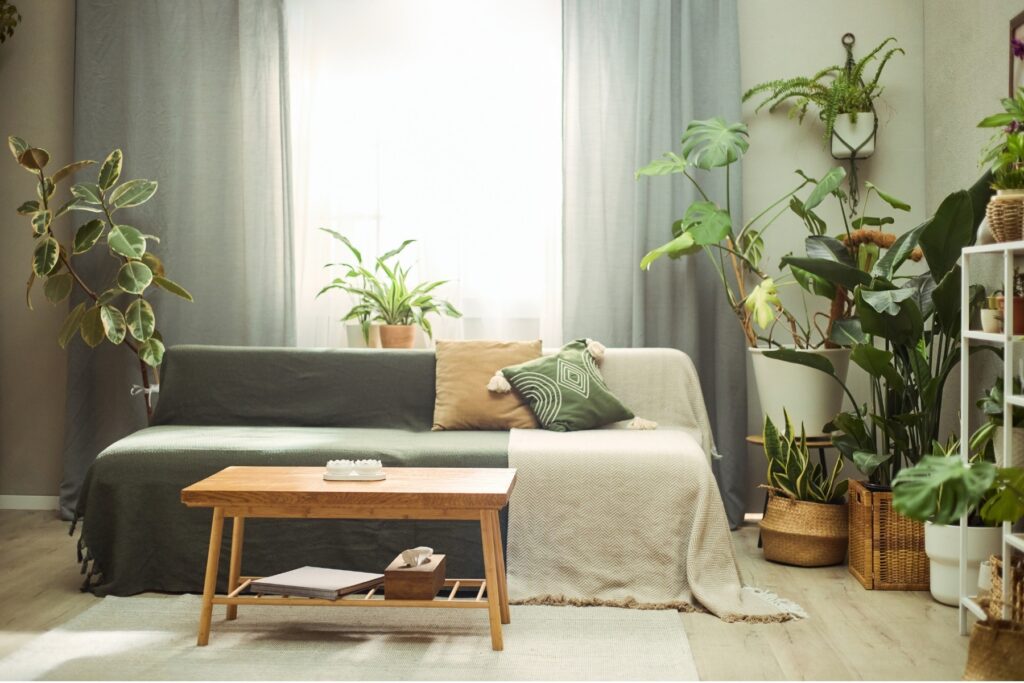
Natural materials are central to the style. Wood, stone, clay, linen, rattan, and wool can bring warmth and texture into an interior.
These materials also age naturally, which fits perfectly with the wabi-sabi appreciation for change over time.
2. Earthy Colors
Wabi-sabi interiors usually avoid loud or highly saturated colors. Instead, they rely on shades inspired by nature.
Think warm beige, soft brown, muted green, clay, cream, taupe, and gentle gray. These tones create a calm backdrop without making the room feel flat.
3. Imperfect Details
Perfectly matching furniture and flawless finishes are not necessary. Small imperfections can add personality.
Handmade pottery, irregular stone surfaces, visible wood knots, and naturally uneven textures can make a space feel more authentic.
4. Simple Furniture
Furniture should be practical as well as visually appealing. Wabi-sabi favors pieces with clean silhouettes, natural finishes, and comfortable proportions.
The idea is to avoid filling a room simply because there is available space. Every piece should serve a purpose.
5. Soft Textures
Texture keeps a minimalist interior from feeling cold. Linen curtains, woven rugs, wool throws, cotton cushions, and textured upholstery can add warmth without creating visual clutter.

Why Is Wabi-Sabi Interior Design Becoming So Popular?
One reason wabi-sabi has become so appealing is that interior design is moving beyond spaces that simply look perfect in photographs.
People increasingly want interiors that feel comfortable and personal. They want materials that age well, furniture that feels useful, and rooms that are relaxing rather than visually overwhelming. Wabi-sabi fits naturally into this shift.
It does not ask you to hide every scratch, variation, or irregularity. Instead, these details can become part of the character of the interior.
There is also a growing appreciation for handcrafted pieces, natural materials, and thoughtful design. Wabi-sabi brings all three together without requiring a room to follow a rigid decorating formula.
Note: A well-designed office can make everyday work more comfortable. Housemill Design offers home office interior design services in Austin tailored to your needs, routines, and overall interior.
Wabi-Sabi vs. Japandi: What’s the Difference?
Wabi-sabi and Japandi can look similar because both favor simplicity, natural materials, neutral colors, and uncluttered spaces. However, they have different design philosophies.
- Wabi-sabi focuses on imperfection, authenticity, aging, and the natural character of materials. A weathered wood table, handmade ceramic, or uneven stone surface can become an important design feature.
- Japandi combines Japanese simplicity with Scandinavian functionality. It usually feels more structured and polished, bringing together clean lines, practical furniture, warm wood, and cozy textures.
In simple terms, wabi-sabi celebrates the imperfect, while Japandi balances Japanese simplicity with Scandinavian practicality and refinement.
Related Articles:
What Is Parisian Interior Design
What Are the Different Types of Interior Design Styles
What Is Coastal Interior Design? Everything You Need to Know
Not Sure How to Get the Wabi-Sabi Look Right?
You don’t need to follow every rule of wabi-sabi to create a space that feels natural and inviting. The right design should reflect your personality, support the way you live, and give you a place to step away from the pace of everyday life.
Housemill Design takes the time to understand your ideas, your lifestyle, and what you want your space to feel like. From the overall layout to the smallest details, each choice is thoughtfully considered to create an interior that feels cohesive, functional, and uniquely yours.
If you’re drawn to the warmth and simplicity of wabi-sabi, Housemill Design can help you make those ideas feel at home in your space.
Final Thoughts
Wabi-sabi interior design is gaining attention because it offers a different definition of beauty. Instead of chasing perfection, it focuses on natural materials, thoughtful simplicity, craftsmanship, and the character that develops over time.
That makes it more than another decorating trend. It is an approach that can make modern interiors feel warmer, calmer, and more authentic.
And perhaps that is exactly why so many people are talking about it.
FAQs
Q1. What are the main rules of wabi-sabi design?
Wabi-sabi has no strict decorating rules. Its core principles include embracing imperfection, choosing natural materials, avoiding unnecessary excess, appreciating simplicity, and creating spaces that feel authentic and lived-in.
Q2. Is wabi-sabi the same as minimalist interior design?
Not exactly. Both value simplicity, but wabi-sabi focuses more on imperfection, natural aging, craftsmanship, and character, while minimalism primarily emphasizes functionality, restraint, and reduced visual clutter.
Q3. Can vintage furniture be used in wabi-sabi interiors?
Yes, vintage furniture can work exceptionally well because signs of age, natural wear, and unique details add authenticity. Choose pieces that complement the space rather than creating unnecessary visual clutter.
Q4. What type of flooring suits a wabi-sabi-inspired space?
Wood, natural stone, and other materials with visible texture can work well. Flooring should contribute warmth and continuity while allowing natural variation instead of appearing excessively glossy or artificial.
The Journal

OUR INTERIOR DESIGN WORK
INTERIOR DESIGN ADVICE
WORK WITH US
FREE INTERIOR DESIGN GUIDE
Site by WHITNEY RUNYON
Housemill design
CONTACT US
2499 South Capital of Texas Hwy
A 104
Austin, TX 78746
2499 South Capital of Texas Hwy
A 104
Austin, TX 78746

Be the first to get our Designer Tips, Tricks and Trends!
Come see our founders' personal home at the NARI TOUR OF REMODELED HOMES
Sept 7-8th
GET TICKETS FOR THE TOUR!


