
Can You Mix Traditional and Modern Interior Design?
A room doesn’t have to belong to one era to have a strong sense of style. Imagine a beautifully carved wooden console standing against a clean, minimalist wall, or a sleek contemporary sofa sitting beneath an elegant traditional chandelier. At first, these choices may seem unexpected, but together, they can make a space feel far more interesting.
That is the beauty of combining traditional and modern interior design. One brings history, warmth, craftsmanship, and character, while the other adds simplicity, functionality, and a fresh visual appeal. When these elements are thoughtfully balanced, the result is not a confusing mix of styles, but a home that feels collected, comfortable, and distinctly yours.
So, can you really mix traditional and modern interior design? Absolutely. The real challenge is knowing how to bring these contrasting styles together without making the space feel disconnected.

Let’s Understand Traditional and Modern Interior Design
Before combining the two styles, it helps to understand what gives each one its distinct character. Traditional interiors often emphasize craftsmanship, symmetry, rich textures, and details that make a room feel warm and established. Modern interiors take a more streamlined approach, using clean lines, open space, simple forms, and carefully selected materials.
These differences are actually what make the combination so appealing. A traditional element can soften the simplicity of a modern room, while a contemporary piece can give a classic space a cleaner, more current feel.
Note: Want modern kitchen design services in Austin? Transform your kitchen with smart storage, elegant materials, and functional spaces designed for everyday comfort and beauty.
What Defines Traditional Design?
Traditional design often draws attention to details that give a space personality and a sense of history. Think of substantial wood furniture, decorative moldings, classic patterns, antique-inspired pieces, and layered textiles.
Some common characteristics include:
- Detailed woodwork
- Classic furniture shapes
- Patterned fabrics
- Decorative accents
- Warm, natural materials
- Symmetrical arrangements
These elements can make a room feel inviting, refined, and visually rich.
What Defines Modern Design?
Modern design takes a simpler approach, allowing the shape, material, and function of each piece to stand on its own. Rather than relying on extensive decoration, the style often uses uncluttered layouts and clean architectural lines.
Typical features include:
- Streamlined furniture
- Simple silhouettes
- Open layouts
- Neutral tones
- Minimal accessories
- Contemporary lighting
The result is generally a space that feels clean, practical, and easy to live in.

Tip: If you are planning to upgrade your home interiors in Austin, Housemill Design provides personalized design solutions that perfectly balance style, functionality, and comfort for every homeowner.
How Can You Combine Traditional and Modern Styles?
The goal is not to make every piece look traditional and modern at the same time. Instead, let each style contribute something different to the room. A classic architectural feature can provide character, while contemporary furniture or finishes can keep the space feeling fresh.
The right combinations can give the room contrast while still making the overall design feel intentional.
1. Start With a Clear Foundation
Choose one overall direction for the room before adding contrasting pieces. For example, a space with traditional architecture can become more contemporary through streamlined furniture, while a modern room can gain warmth through classic wood pieces or decorative details.
This gives the room a visual foundation and makes the contrasting elements feel intentional rather than random.
2. Pair Old and New Furniture
Furniture is one of the easiest ways to introduce both styles. A contemporary sofa can sit alongside a traditional wood coffee table, or a classic dining table can be paired with modern chairs.
Look for connections between the pieces, such as similar proportions, materials, or colors. They do not need to match exactly. In fact, some contrast can make the arrangement more interesting.
3. Use Color to Connect the Styles
A consistent color palette can bring different design elements together. Soft neutrals, earthy shades, and natural tones can provide a flexible backdrop for both classic and contemporary pieces.
You can then introduce deeper colors through artwork, upholstery, rugs, or accent furniture. Repeating a few shades throughout the room helps create a sense of continuity.
Note: If you like mixing traditional and modern elements, modern farmhouse interior design offers a natural way to combine classic details with clean, contemporary touches.
4. Mix Materials With Intention
Materials can add another layer of contrast. Natural wood, stone, linen, and brass can bring traditional warmth, while glass, metal, and smooth finishes can introduce a modern touch.
The key is repetition. If a material or finish appears in more than one area of the room, it feels like part of the overall design rather than an isolated choice.
5. Balance Decorative and Simple Elements
Traditional interiors often have more decorative detail, while modern spaces tend to leave more visual breathing room. Combining the two works best when neither side overwhelms the other.
If the room already has detailed millwork or an ornate fireplace, keep some of the surrounding furniture and accessories simple. Likewise, a very streamlined room can benefit from one or two distinctive traditional pieces that add warmth and character.
Can Traditional and Modern Design Work in the Same Room?
Absolutely. The two styles can share a room without making the space feel divided. In fact, using contrasting pieces can give each one more visual presence. The trick is to let the room tell a story instead of making every item come from the same design era.
Here are a few combinations that can work well:
- Living room: Classic fireplace with a low-profile sofa
- Dining room: Traditional table with sculptural chairs
- Bedroom: Vintage dresser with a simple upholstered bed
- Entryway: Antique console with a contemporary mirror
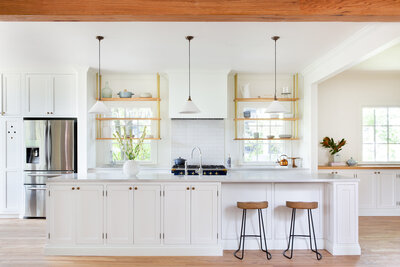
- Kitchen: Classic cabinetry with modern pendant lighting
These pairings show how a single contemporary or traditional element can change the character of an entire room. The result feels collected over time rather than designed around one strict decorating style.
Related Articles:
Can a Staircase Become the Focal Point of an Interior
How Much Does Full-Service Interior Design Cost
What Type of Storage Works Best in a Bathroom?

What If Your Favorite Styles Didn’t Have to Match?
Your home does not have to follow just one design style. HouseMill Design is one of the interior design firms in Austin, TX, that takes time to understand your ideas, lifestyle, and personal taste. We help bring the styles you love together in a space that feels comfortable, functional, and personal.
From space planning and material selections to furniture, lighting, millwork, procurement, and installation, our full-service team can handle every part of the design. Whether you are updating one room, renovating your home, or starting a new construction project, we guide you through the process from start to finish.
If you are ready to create a space that feels like you, let’s chat about your project.
What Should You Avoid When Mixing Styles?
Combining two design styles gives you plenty of freedom, but too many competing elements can quickly make a room feel unsettled. A few common mistakes can make the contrast look accidental rather than intentional.
1. Avoid Too Many Focal Points
If an ornate fireplace, statement chandelier, bold artwork, and dramatic furniture are all competing for attention, the room can feel visually crowded. Choose one or two features to lead the space.
2. Do Not Ignore the Room’s Architecture
Traditional and modern pieces should respond to the space around them. Consider existing features such as flooring, windows, millwork, fireplaces, and ceiling details before introducing new furniture or finishes.
3. Watch the Scale of Your Furniture
A delicate traditional chair may feel lost beside oversized contemporary furniture, while several large pieces can make a room feel heavy. Choose pieces that feel proportionate to one another and to the room itself.
4. Avoid Adding Contrast Just for the Sake of It
Not every traditional and modern combination will work simply because the styles are different. Each piece should contribute something to the room rather than being added only to create contrast.
Final Thoughts
Start with one room and identify the traditional or modern pieces you want to keep. Then introduce a few elements from the opposite style instead of changing everything at once. Step back and consider how the pieces work together before adding anything else.
If the room already has plenty of detail, keep the next choices simple. If it feels too plain, introduce one piece with character.
Keep what you love, add contrast with purpose, and let both styles feel at home in the same space.
The Journal

OUR INTERIOR DESIGN WORK
INTERIOR DESIGN ADVICE
WORK WITH US
FREE INTERIOR DESIGN GUIDE
Site by WHITNEY RUNYON
Housemill design
CONTACT US
2499 South Capital of Texas Hwy
A 104
Austin, TX 78746
2499 South Capital of Texas Hwy
A 104
Austin, TX 78746

Be the first to get our Designer Tips, Tricks and Trends!
Come see our founders' personal home at the NARI TOUR OF REMODELED HOMES
Sept 7-8th
GET TICKETS FOR THE TOUR!